
"sucrose caramelization"
200 article(s) found

Why is the coffee bean flavor of Arabica better than that of Robusta?
For information, please follow the coffee workshop (official Wechat account cafe_style) and the two important reactions are caramelization (caramelization, oxidation and browning of sugars) and Mena (Maillard reaction, reaction of amino acids with sugars). Both reactions require the participation of sugars, and the rich sucrose in raw beans provides these two reactions.

The non-enzymatic browning reaction of coffee roasting what happens to the caramelization reaction?
Baking basic science-browning reaction non-enzymatic browning reaction (Nonenzymatic Browning) non-enzymatic browning reaction is different from enzymatic browning reaction, non-enzymatic browning reaction does not need enzymes, but its reaction requires heat, sugar and amino acids. There are two non-enzymatic browning reactions related to coffee roasting: caramelization (caramelization recation) and Maillard reaction (Ma).
Coffee technology uses siphon pots to make good coffee
Each barista uses a siphon pot to make coffee in his or her own way. After the coffee liquid is sucked into the pot, whether the upper pot forms a hill has been controversial in the industry. some people say that it must form a hill to complete the extraction, and if not, it will fail, including many professional books. Some people think that the hills are just good-looking, professional and stylish for coffee.
Coffee making how to use a siphon pot to make good coffee
Each barista uses a siphon pot to make coffee in his or her own way. After the coffee liquid is sucked into the pot, whether the upper pot forms a hill has been controversial in the industry. some people say that it must form a hill to complete the extraction, and if not, it will fail, including many professional books. Some people think that the hills are just good-looking, professional and stylish for coffee.

Introduction to the description of taste and flavor of coffee beans made by Yega Xuefei siphon pot
In general, the unique and rich aroma of coffee is the synthesis of the flavor released by the rich substances contained in the raw coffee beans due to the chemical reactions produced at high temperature. Basically can be divided into two major chemical reactions caramelization reaction (caramelization, carbohydrate oxidation and browning) and Mena reaction
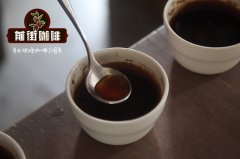
Flavor changes caused by caramelization during baking
Professional coffee knowledge exchange more coffee bean information Please pay attention to the coffee workshop (Wechat official account cafe_style) raw beans contain about 6% 9% of the bean weight, is the main raw material of coking sugar, sucrose is about 130 ℃-170 ℃, is pyrolyzed into low molecular weight monosaccharides, namely glucose and fructose, and releases aroma and carbon dioxide, but as the furnace temperature rises, to 180 ℃

Coffee knowledge sharing: main ingredients and aroma sources of coffee beans
Professional coffee knowledge exchange more coffee bean information Please pay attention to the main ingredients of coffee beans in the coffee workshop (Wechat official account cafe_style) sucrose: in the baking process, part of the sucrose will be broken down into acetic acid, formic acid, glycolic acid, lactic acid, the other part of the sucrose will go through the caramelization reaction to form caramel, which increases the flavor of the coffee. Caffeine: with a bitter taste and a high melting point

Where does the sweetness in coffee come from? what does it have to do with hand-made coffee? why can't you drink it sweet?
Professional coffee knowledge exchange more coffee bean information Please follow the coffee workshop (Wechat official account cafe_style) Guide to daily purchase of coffee beans, we will often see honey, sugar, caramel and other sweet descriptions in the flavor column. But the strange thing is that some people can feel the sweetness of the same coffee bean, while others can't! What is the reason for this?

How do you get the flavor of coffee beans? how many flavors of coffee beans?
Professional coffee knowledge exchange more coffee bean information please pay attention to the coffee workshop (Wechat official account cafe_style) front street-coffee bean flavor sources according to incomplete statistics, coffee contains about more than 1600 kinds of aroma substances, while at present, humans can identify more than 800kinds of aroma, even if the same species of coffee trees, but also because of the planting area, growth altitude, environment,
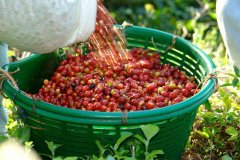
The reason why Arabica coffee beans taste better than robusta coffee
Professional coffee knowledge exchange more coffee bean information please follow the coffee workshop (Wechat official account cafe_style) Manning's Robsta blood, Arabica beans or Katim or Katim? In addition to caffeine, the charming aroma of coffee is the main reason why many coffee fans miss coffee from time to time. But why on earth does the coffee smell so good? The most important thing, of course, is coffee.
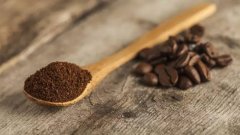
Why does coffee smell so good? Caramelization and Mena reaction during coffee roasting
The charming aroma of coffee is also the main reason why Napoleon, me and many coffee fans miss coffee all the time. But why on earth does the coffee smell so good? The most important thing, of course, is that coffee beans themselves are rich in a variety of raw materials, such as carbohydrates, proteins, lipids, organic acids, etc., and then heated and baked will start a series of complex reactions and create an attractive aroma.
The basic chemical reaction of coffee knowledge during coffee roasting.
Many thermal and chemical reactions take place during baking: decarbonation, dehydration of quinic acid, subdivision, isomerization, polymerization, and complex sugar reactions (caramelization). The main components of the thermal reaction are monosaccharides and sucrose, chlorogenic acid, free amino acids, and fenugreek amide. Both aravinose and calactose in the polysaccharides are transferred, and the basic vulcanization process includes hydroxylamine.

Introduction to coffee roasting training-basic chemical reactions in the coffee roasting process
Professional coffee knowledge exchange more coffee bean information please follow the coffee workshop (Wechat official account cafe_style) Coffee roasting skills Collection | the purpose of coffee roasting and the characteristics of coffee beans except in the home-barista.com forum, the word MET is rarely seen. MET is not a number, but the most time segment in the whole baking process.

Coffee beans made in a Yerga Scheffer siphon pot Flavor Description Taste Treatment Origin
Siphon pot, also known as the plug wind pot, for the English Syphon homonym, for a very common coffee appliance, such as Misha has three Syphon, Syphon cheap, easy to operate, widely loved by the public, and can boil a simple good coffee, without destroying the coffee flavor, boiled coffee is usually called black coffee

Coffee roasting-caramelization and Mena reaction
Professional Coffee knowledge Exchange more information on coffee beans Please follow the Coffee Workshop (Wechat official account cafe_style) A few days before Napoleon died on St. Helena Island in 1821, his attendant Marshal Bertrand wrote about Napoleon begging: "he has asked for twenty times in the morning and asked me if I could give him some more coffee. "No, master, the doctor ordered only one drink.
Basic chemical reactions that occur during coffee roasting
Many thermal and chemical reactions take place during baking: decarbonation, dehydration of quinic acid, fragmentation, isomerization, polymerization, and complex sugar reactions (caramelization). The main thermally reactive components are monosaccharides and sucrose, chlorogenic acid, displaced amino acids, and trigonelline amide. Both aravinone and calactose in polysaccharides are transferred, and basic sulfurization contains hydroxyamino acids.
The basic chemical reaction of coffee roasting process
Many thermal and chemical reactions take place during baking: decarbonation, dehydration of quinic acid, subdivision, isomerization, polymerization, and complex sugar reactions (caramelization). The main components of the thermal reaction are monosaccharides and sucrose, chlorogenic acid, free amino acids, and fenugreek amide. Both aravinose and calactose in the polysaccharides are transferred, and the basic vulcanization contains hydroxylated amino acid.
The basic chemical reaction that takes place during coffee roasting.
Many thermal and chemical reactions take place during baking: decarbonation, dehydration of quinic acid, subdivision, isomerization, polymerization, and complex sugar reactions (caramelization). The main components of the thermal reaction are monosaccharides and sucrose, chlorogenic acid, free amino acids, and fenugreek amide. Both aravinose and calactose in the polysaccharides are transferred, and the basic vulcanization process includes hydroxylamine.

The basic chemical reactions that take place during coffee roasting
Many thermal and chemical reactions take place during baking: decarbonation, dehydration of quinic acid, subdivision, isomerization, polymerization, and complex sugar reactions (caramelization). The main components of the thermal reaction are monosaccharides and sucrose, chlorogenic acid, free amino acids, and fenugreek amide. Both aravinose and calactose in the polysaccharides are transferred, and the basic vulcanization process includes hydroxylamine.

Basic chemical reactions of coffee beans during coffee roasting
Many thermal and chemical reactions take place during baking: decarbonation, dehydration of quinic acid, subdivision, isomerization, polymerization, and complex sugar reactions (caramelization). The main components of the thermal reaction are monosaccharides and sucrose, chlorogenic acid, free amino acids, and fenugreek amide. Both aravinose and calactose in the polysaccharides are transferred, and the basic vulcanization process includes hydroxylamine.